
3 Things I Wish I Knew Before Running My First Music Seminar
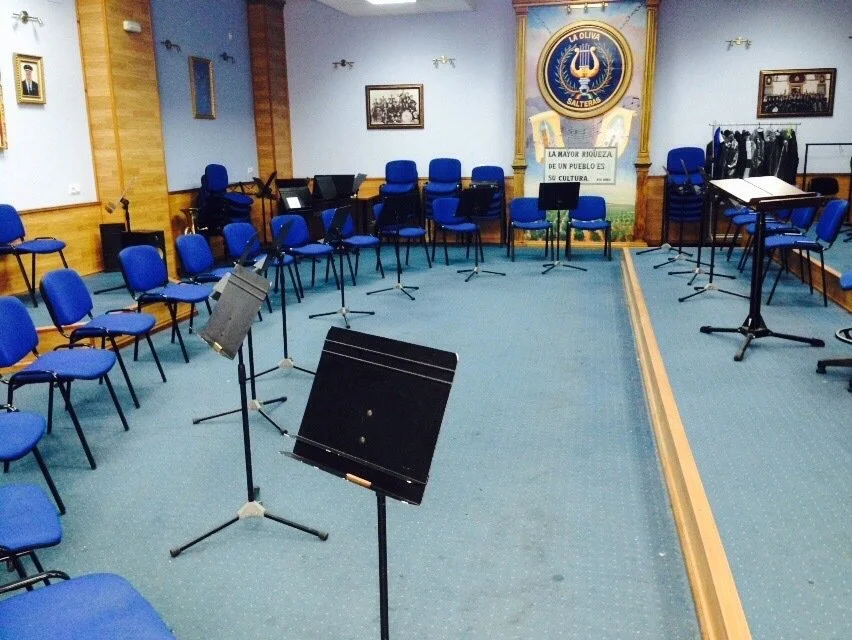
In 2013, I hosted my very first music seminar.
I was excited, optimistic, and completely convinced that if I worked hard enough, everything would magically fall into place.
It did not. 😂
Looking back, that first event was a master's degree in event production. I made just about every mistake you can imagine, registration was messy, payments were confusing, marketing started too late, and I was making financial decisions based more on hope than actual numbers.
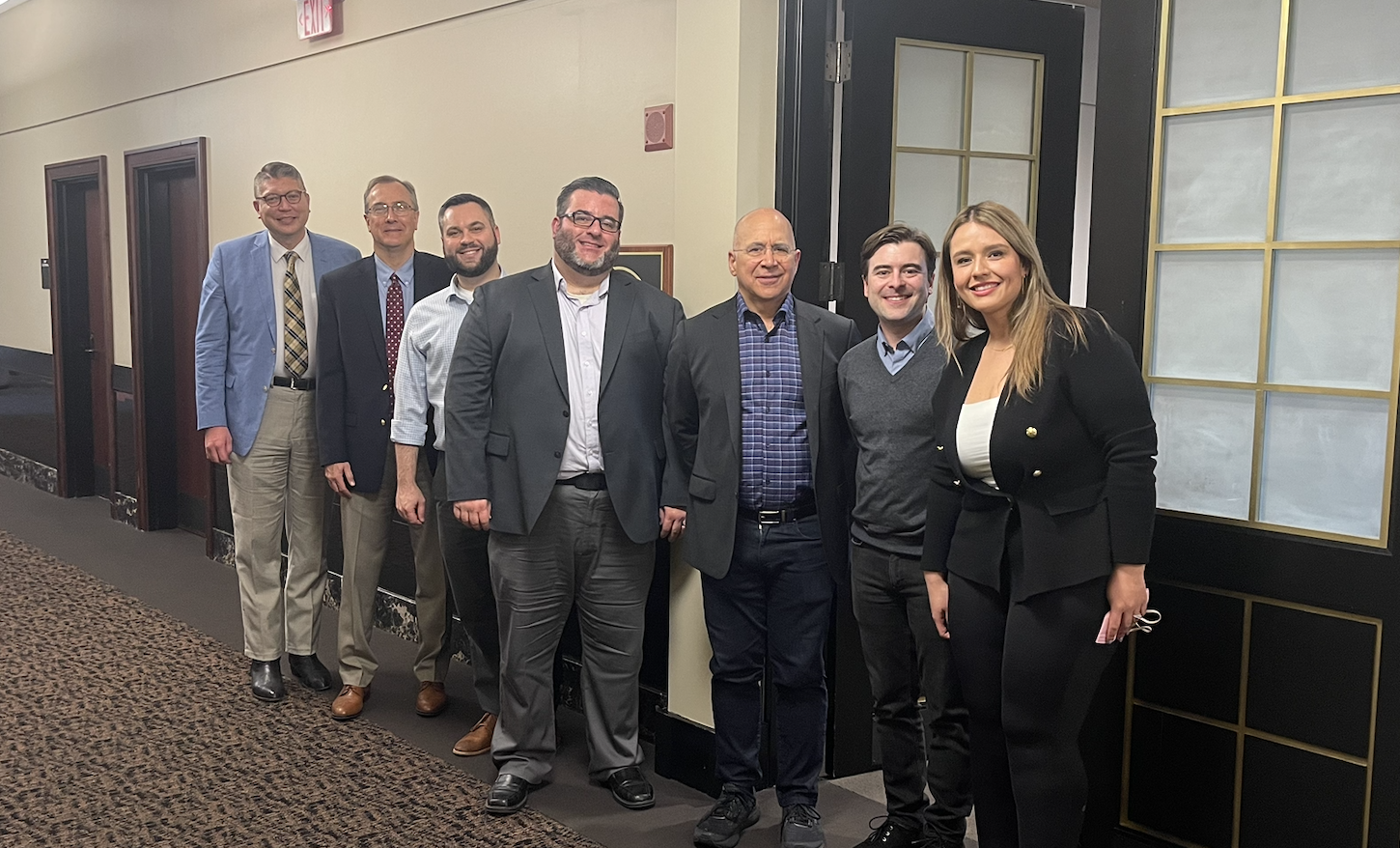
Fast forward to 2026, where I just successfully ran one at the Manhattan School of Music. Over the past 13 years, I've produced seminars, workshops, residencies, conferences, and educational events for musicians and entrepreneurs across the country and even abroad. Every event has taught me something new. If you're thinking about hosting your own seminar, masterclass, workshop, or educational event, here are three lessons I wish someone had shared with me back in 2013.
1. Make Registration Easy (and Collect Payment Up Front)
If there is one thing I could tell my younger self, it would be this:
Your registration process is part of your event experience.
Back then, I had people emailing me, texting me, mailing checks, promising they'd pay later... It was chaos. Even worse, I sometimes wouldn't know someone had changed their mind until the event had already started. That creates stress you simply don't need. Today, every event has a streamlined registration process where participants can:
Register online
Sign any necessary agreements
Choose a payment plan if available
Pay immediately
Not only does this make life easier for your participants, but it also gives you confidence in your planning. You're making decisions based on confirmed registrations, not hopeful RSVPs.
Trust me... 2013 Karen would have loved this advice. 😂
2. Start Marketing Earlier Than You Think You Need To
One of the biggest misconceptions I see is waiting until an event is "ready" before talking about it. In reality, marketing takes time. People need multiple opportunities to hear about your event before they commit. They have to check calendars, request time off, save money, book travel, and coordinate schedules.
My rule of thumb now is:
6 months out: Announce the event and open registration.
3 months out: Shift into consistent marketing and begin paid advertising if it fits your budget.
Final month: Focus on reminders, testimonials, FAQs, and creating excitement.
Starting early also gives you something incredibly valuable: data. If registrations are slower than expected, you still have time to adjust your messaging, increase promotion, or reach new audiences. Waiting until the last minute leaves very little room to pivot.
3. Know Your Numbers Before You Need Them
This might be the least glamorous part of running an event, but it may be the most important. Before announcing anything, I now build a financial projection.
That includes:
Venue costs
Guest artist fees
Travel and lodging
Food
Marketing expenses
Printing
Supplies
Credit card processing fees
Administrative time
Insurance
Unexpected expenses (because there are always unexpected expenses!)
Then I ask myself:
How many participants do I need to break even?
What does profitability look like?
Should I offer payment plans?
How much cash flow do I need before the event begins?
Knowing these numbers changes everything. Instead of guessing whether your event is successful, you understand exactly where you stand and can make decisions with confidence.
Every Event Makes You Better
One of the things I love most about producing seminars is that every single one teaches me something.Even after 13 years, I'm still tweaking systems, finding better ways to communicate with participants, improving the experience, and making notes for the next event. I don't think you ever "arrive" as an event producer, and honestly, that's part of what makes it fun.
If you're planning your first seminar, workshop, or educational event, know that you're not supposed to have it all figured out. You'll make mistakes. You'll forget something. You'll probably have a moment where you think, "I'll never do this again."
And then you'll host another one... and it'll be better.
That's how we all learn. If I can save you from even one of the mistakes I made back in 2013, this blog has done its job. I'm actually thinking about putting together a free Event Planning Checklist with the systems, timelines, and spreadsheets I use before every seminar. If that's something you'd find helpful, send me a message or leave a comment, I would love to know.