
13 Ways We’re Doing Business Differently in 2026
Thirteen years.
That feels both completely impossible and also like I have lived approximately 47 different professional lives since I walked into Bank of America on my lunch break from my Boston Symphony job in 2013 and opened the account that would eventually become Karen Cubides Agency.
Last year, for our 12th birthday, I wrote about what I’d learned in 12 years of entrepreneurship. This year, I’ve been thinking less about the lessons themselves and more about what we’re actually doing differently because of them. Because at some point, growth has to be more than knowing better. You have to do better. And 2026 has been a year of doing things differently at KCA.
Some of these changes are operational. Some are philosophical. Some have come from things going really well. Others have come from things going absolutely wrong. Thirteen years in, I have no interest in running the same business simply because it’s the business I’ve always run.
So, in honor of KCA turning 13, here are 13 ways we’re doing business differently in 2026.
1. We’re teaching you how to need us less.
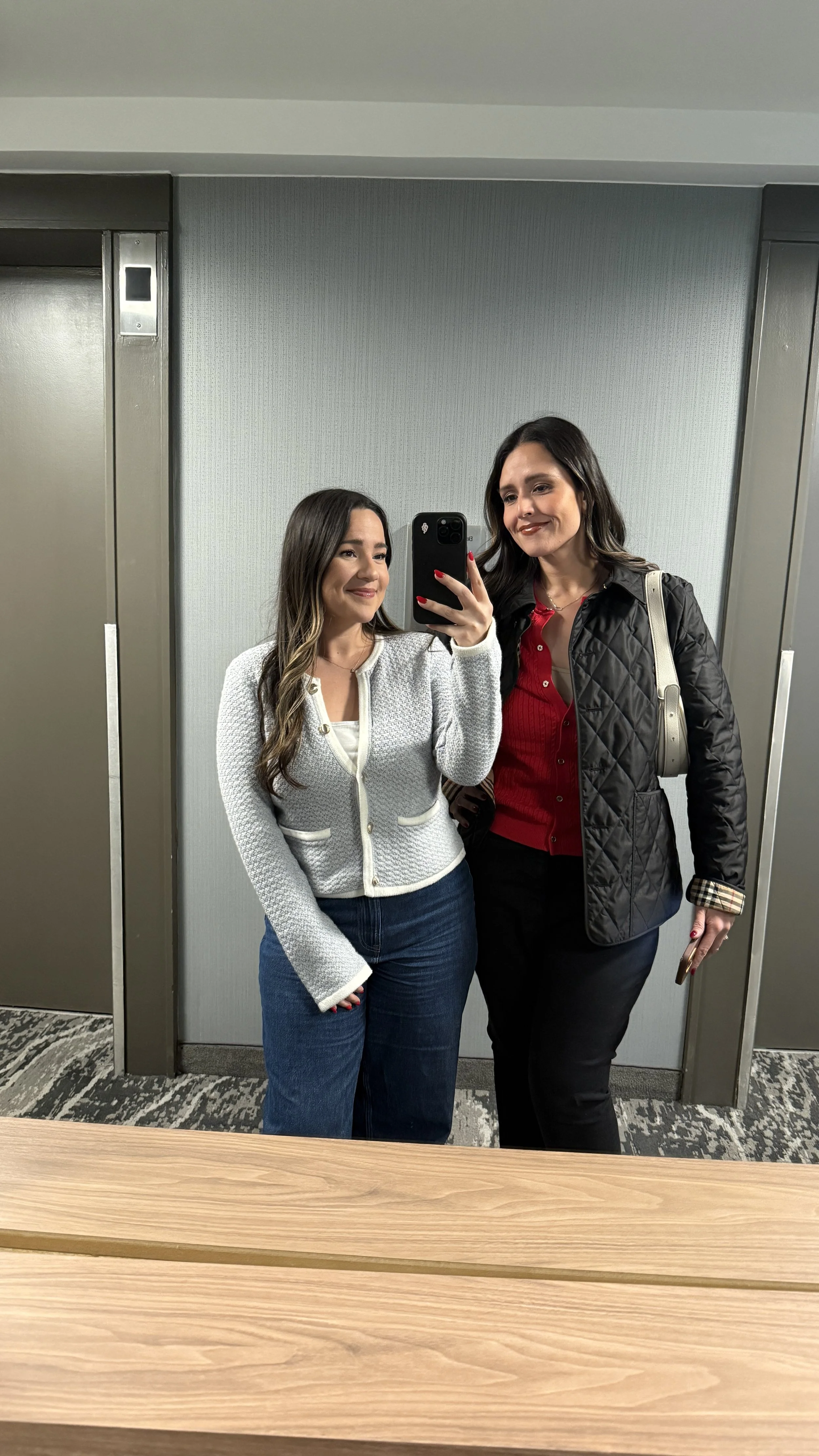
You’re just going to see a bunch of selfies of us working in random places.
This might be a terrible business model. But I genuinely believe the goal of good consulting/ coaching is not to make a client permanently dependent on the consultant. It’s to teach you how to think differently, give you the tools and systems to execute, and help you build enough confidence to navigate decisions on your own.
This has always been part of our philosophy, but we’re leaning into it even harder. We want you to understand why we’re recommending something. We want you to know how to use the templates. We want you to understand your numbers. We want you to know how your marketing works. I do. You do. We do. And sometimes the biggest compliment you can give us is graduating.
2. We’re getting clearer about what is and isn’t in the scope.
Ah yes, scope. The thing I’ve learned the hard way approximately 400 times. When you care deeply about your clients, it is incredibly easy for “Can you take a quick look at this?” to turn into three additional hours of work. And sometimes, frankly, that has been our fault. If the client doesn’t know where the boundaries are, how are they supposed to know when they’re crossing them?
So we’re getting clearer. Better proposals. Better agreements. Better expectations. Better communication about what something costs when it falls outside of the original scope. Not because we want to nickel-and-dime people, but because clarity actually makes relationships better.
Clear is kind. Unclear is unkind.
3. We created a way to work with us without committing to a whole thing.
In February, we introduced Career Strategy Sessions, and they’ve quickly become one of my favorite ways to work with people.
The idea was pretty simple: not everyone needs ongoing coaching, a Studio Day, or a giant project. Sometimes you have one thing you need to figure out. You’re stuck on pricing. You’re trying to decide what comes next in your career. You need to talk through an idea, a launch, a job change, your marketing, or the 75 things currently competing for space in your brain.
So we created 90 minutes for exactly that.
We dig in, figure out what’s actually going on, and come up with tangible next steps you can take when you leave. It’s also been a good reminder for me that support doesn’t always have to be bigger or longer to be valuable. Sometimes you really do just need the right conversation at the right time.
And apparently, a lot of you needed that too.
4. We’re saying no sooner.
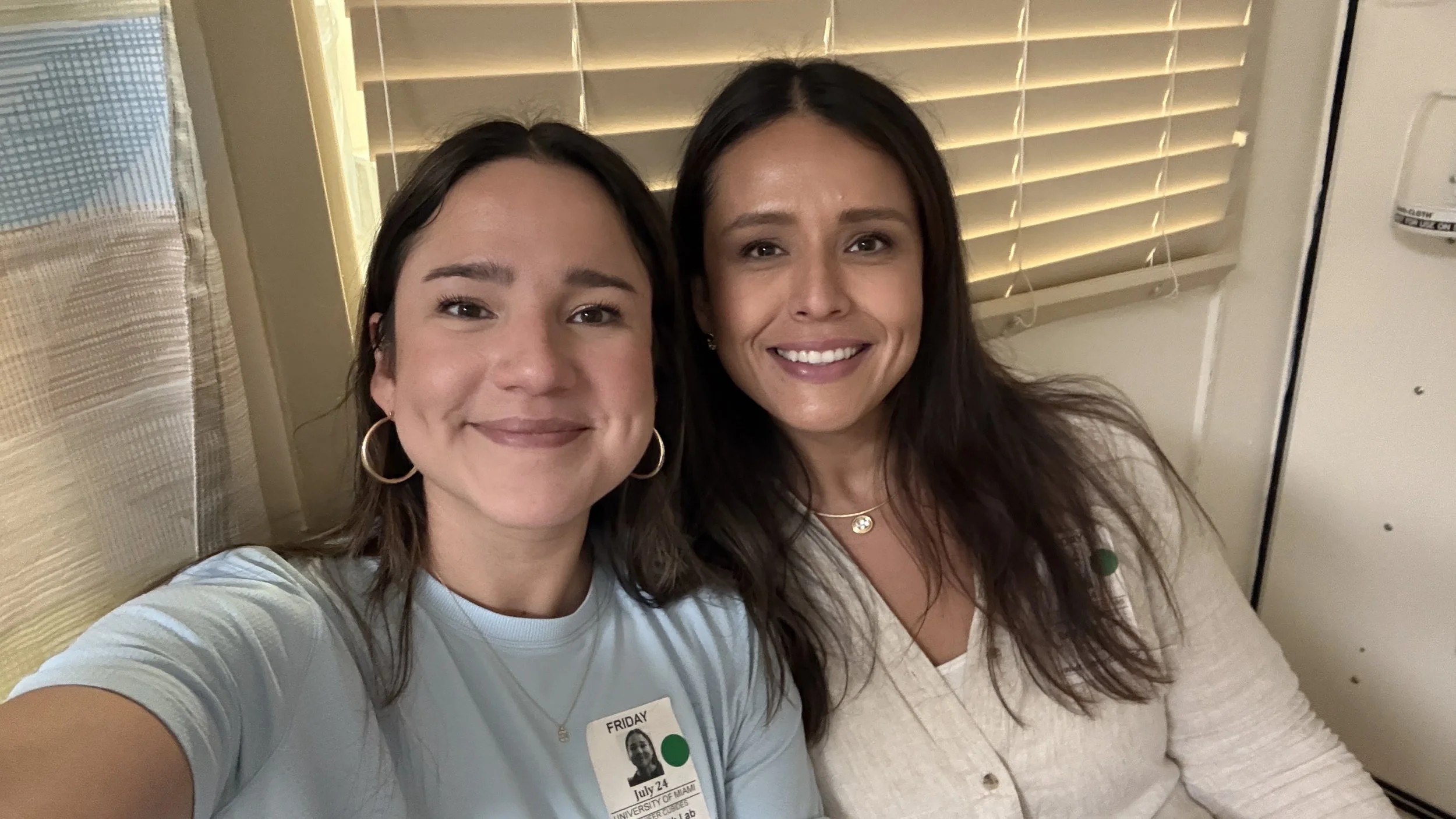
Our mom was in the hospital so we took the day off instead of working from the hospital like we would have done in the past.
OOF.
This one has taken me approximately 13 years to learn. Not every potential client is the right fit. Sometimes you can tell during the first conversation that expectations aren’t aligned. Sometimes a project is outside of our wheelhouse. Sometimes the timeline is unreasonable. Sometimes someone wants a level of access that we cannot sustainably provide.
Old Karen would think, “We can figure it out!” 2026 Karen is much more comfortable saying, “I don't think we're the right fit for this.” And you know what? Everyone wins faster.
5. We’re making the client responsible for the client experience, too.
Hear me out.
We take the client experience VERY seriously. We want you to feel supported, communicated with, cared for, and like the investment you’re making with us is worth it. But a great client experience is a collaboration. We have learned the hard way that we can build the strategy, but the client has to give us the information. We can build the website, but you have to send the photos. We can create the content, but you have to approve it. We can give you the roadmap, but eventually you have to drive the car. Our job is to create the conditions for great work. Your job is to participate in it. The best client relationships we’ve ever had are the ones where both sides understand that.
6. We’re putting more systems between the client and the chaos.
There is a quote I love: “We don't rise to the level of our goals; we fall to the level of our systems.” And WOW has KCA tested that theory. As the business has grown, we’ve realized that good intentions are not operational systems.
So we’re documenting more. Automating more. Creating better onboarding and offboarding. Building repeatable processes. Creating templates. Tracking timelines. Making sure information isn't living exclusively inside my brain. And perhaps most importantly: creating systems that allow us to provide a consistent client experience even when life is life-ing. Because professionalism shouldn't depend on whether Karen remembered something at 11:47 p.m.
7. We’re building marketing ecosystems instead of random deliverables.
This has probably been one of the biggest shifts in how we work. A website by itself isn't a marketing strategy. Neither is Instagram. Neither is an email list. Neither is running an ad. Marketing works best when all of those things are talking to each other.
Your social media leads someone to your website. Your website gets them onto your email list. Your emails build trust. Your content reinforces your positioning. Your offers give people somewhere to go next. That’s an ecosystem.
So we're spending much less time asking, “What should we post this week?” and much more time asking, “Where are we trying to take people?”
8. We’re measuring more.
Creative people LOVE a vibe.I am creative people. :D
But “I feel like this is working” cannot be our only KPI. ( Key performance indicator)
We're paying more attention to the numbers behind the work: website traffic, email performance, engagement, inquiries, conversions, audience growth, sales and what actually moves when we make a strategic change.
Not because every decision needs to be dictated by a spreadsheet. But because data gives us information. Sometimes it confirms what our gut was already telling us. And sometimes the numbers very rudely inform us that our brilliant idea was, in fact, not brilliant.
Both are useful.
9. We’re embracing AI without pretending AI is a strategy.
AI is here. We use it. Our clients use it. Your competitors are using it. Pretending otherwise would be ridiculous.
But AI is a tool. It is not your positioning. It is not your lived experience. It is not your taste. It is not your relationship. And it certainly isn't a substitute for understanding your audience and your business. We’re learning how to use AI to make our work more efficient while getting even more protective of the human thinking that makes the work good.
Because anybody can ask ChatGPT to write 30 Instagram captions.
The harder question is: "What should your business actually be saying and is it making your money?" That’s strategy.
10. We’re protecting our intellectual property.
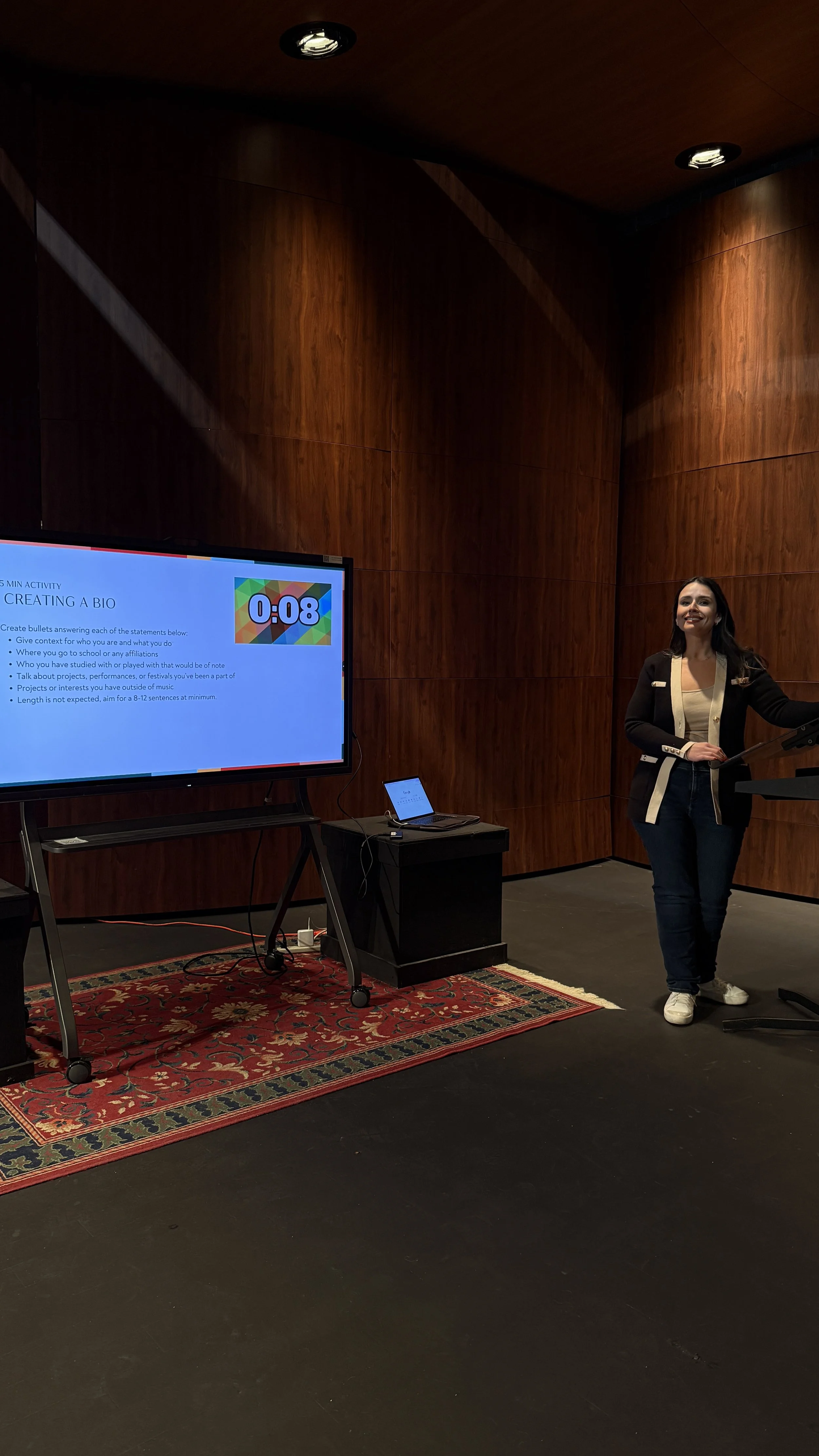
The type of picture only a sister could take
This one has been a lesson. Your ideas have value.Your processes have value. Your frameworks have value. Your creative work has value. And being generous with your knowledge does not mean you have to be careless with it.
As KCA has grown and the work has become more sophisticated, we’ve gotten more intentional about agreements, ownership, licensing, usage, templates, processes, and the distinction between what a client is purchasing and what remains part of KCA's intellectual property.
Is this the coolest part of entrepreneurship? Absolutely not. Is it important? Ask me again after 13 years.
11. We’re making ongoing support more accessible.
For a long time, I think I unconsciously equated growth with “bigger.” Bigger projects. Bigger packages. Bigger retainers. But not everyone needs more. Sometimes you need someone smart in your corner for an hour. Sometimes you need accountability. Sometimes you need a strategy session every few weeks. Sometimes you've already built the thing with us and you just need help keeping it moving.
So we’ve been rethinking what ongoing support can look like, especially for clients who have already done deeper work with us. Sustainable support doesn't always have to mean a massive monthly retainer. Sometimes the best relationship is simply knowing we're here when you need us.
12. Less founder-led. More dynamic duo.
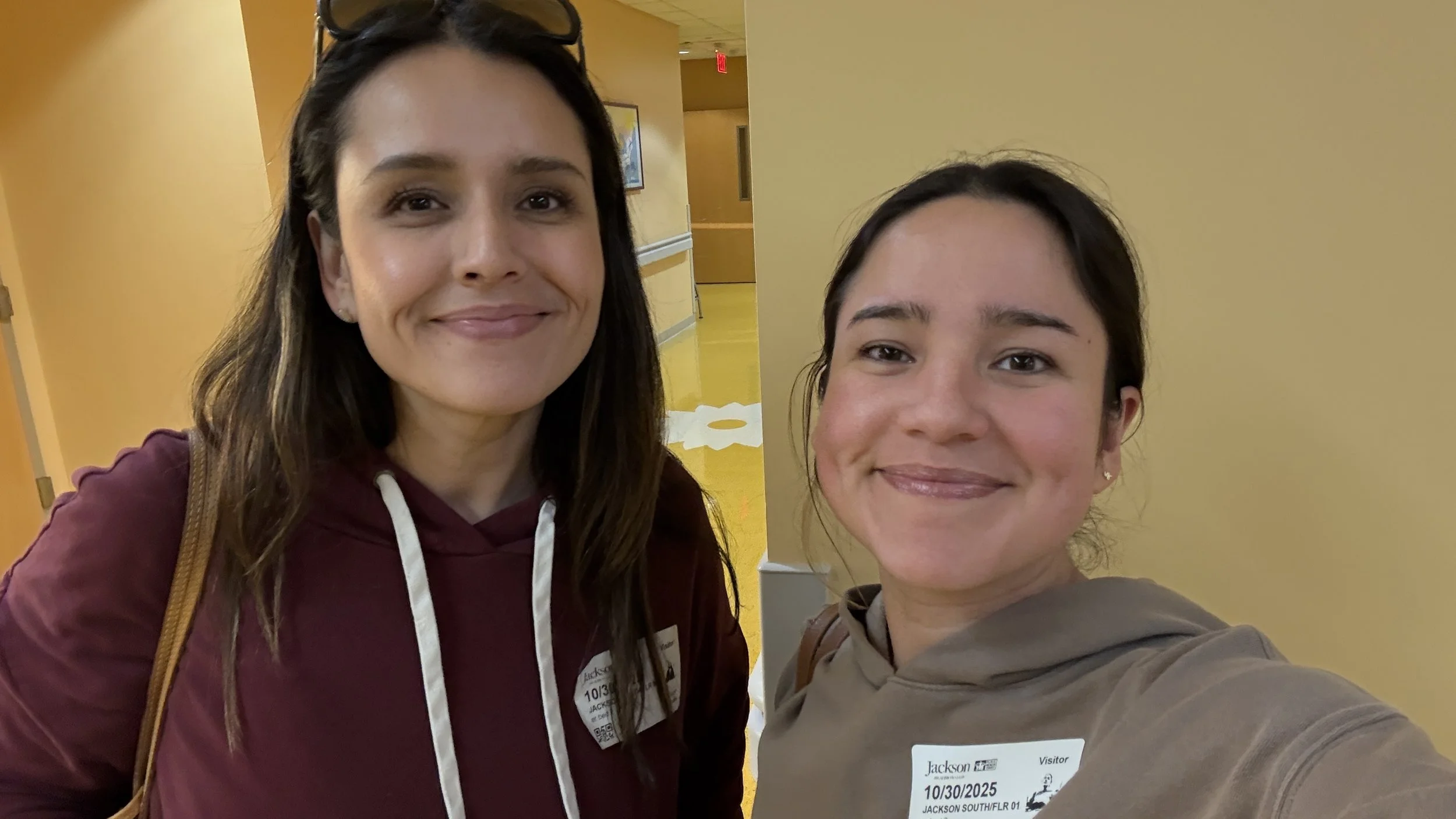
Our business year is counted Sept to Sept for us and this is us bringing our work to the hospital on long haul procedure days with our mom.
For a very long time, KCA and Karen were basically interchangeable. And listen, my name is literally on the building. Metaphorically. We don't have a building.
But one of the biggest shifts happening at KCA is that this business is becoming less founder-led and much more Karen + Jen-led.
Jen has been behind so much of KCA's growth, systems, operations, client experience, problem solving and the general ability for me to have 97 ideas without the entire company spontaneously combusting. And in this next chapter, you're going to see more of her. More leadership. More client-facing work. More of her voice. More shared decision-making. More of the two of us building this thing together.
Turns out the next version of KCA doesn't need more Karen. It needs more Karen + Jen.
13. We’re letting the business change as our lives change.

This might be the biggest one. When I started KCA, I was 23.
I could work until 2 a.m. I could say yes to everything. I could build my schedule entirely around the business because, frankly, there wasn't much else competing with it. Thirteen years later, life looks very different.
There are families. Kids. Partners. Health. Aging parents. Moves. School schedules. Travel. Dogs. Bodies that would now like us to please go to bed at a reasonable hour. And somewhere along the way, I realized:
The business is allowed to change because we have changed.
I don't want to build a company that requires us to sacrifice our lives in order for it to succeed. I want to build one that supports the lives we're actually living. That might mean different services. Different boundaries. Different definitions of growth. Different revenue goals. Different roles. And probably another 47 versions of KCA before we're done.