
Why High Achievers Stay Stuck in Business
From the outside, it can be confusing. You see someone who is incredibly talented, has years of experience, a successful business, and a long list of accomplishments, yet somehow they feel stuck. I've worked with entrepreneurs at every stage of business, and one thing I've learned is that getting to one level of success doesn't automatically prepare you for the next. In fact, the qualities that helped you build your business can sometimes become the very things keeping you from growing it.
Here are three patterns I see over and over again.
1. They're Afraid to Pivot

The bigger your business becomes, the harder it can feel to change direction. You've invested years building a reputation, refining your offers, creating systems, and serving clients. Walking away from something that "works" can feel irresponsible, even when you know deep down it no longer fits. Psychologists call this the sunk cost fallacy, the tendency to keep investing in something simply because we've already invested so much.
But your past investment shouldn't dictate your future decisions. Some of the biggest breakthroughs I've witnessed with clients came after making thoughtful pivots. Sometimes it's refining an offer. Sometimes it's narrowing a niche. Sometimes it's letting go of work that no longer aligns with where they want to go. Growth often requires letting go of what got you here so you can create space for what's next.
My latest personal pivot came after 13 years of building my business.
For years, I kept my work separated. I had different companies serving different audiences, even though the work I was actually doing was remarkably similar. At the time, it made sense. I thought separate brands would create more clarity for my clients. Instead, it created more complexity for me.I found myself maintaining multiple websites, messaging, marketing strategies, and brand identities, all while delivering the same core service: helping people gain clarity, solve bottlenecks, and build businesses that support the lives they actually want.

Consolidating everything into one brand felt much bigger than changing a logo or a website. It felt like letting go of a version of myself that I had spent over a decade building. There was definitely an identity crisis wrapped up in it. I wondered what people would think. Would clients understand? Would I lose credibility? Was I walking away from something that had taken years to establish?
Looking back, I realize those fears had very little to do with strategy and everything to do with the sunk cost fallacy. I had invested so much time, energy, and emotion into keeping everything separate that it became difficult to objectively ask whether it was still serving me. Once I made the change, something unexpected happened: everything became simpler. My messaging became clearer. My marketing became more focused. Instead of dividing my energy across multiple brands, I could pour it into one vision.I only wish I had trusted myself enough to make the decision sooner.
That experience reminded me that growth often requires us to release something that once served us well. A pivot doesn't erase the work you've done, it builds on it. Every lesson, every client, and every experience still comes with you. Sometimes the next level of your business simply requires a different structure than the one that got you here.
2. They Stop Growing Personally
I firmly believe this:
Your business will rarely outgrow the person leading it.
In the early years of entrepreneurship, we're constantly learning. We read books, hire mentors, attend conferences, and try new things.
Then success happens.
Ironically, that's often when the learning slows down. Not because high achievers don't value growth, but because they're busy maintaining what they've built. Eventually, the business starts to feel repetitive. Decision-making becomes heavier. Creativity fades. The excitement that once fueled the business starts to disappear. I've found that this usually isn't a business problem.It's a personal growth problem.
Every season of business asks us to become a different kind of leader. The entrepreneurs who continue growing are the ones who remain curious, challenge their assumptions, and invest in themselves just as intentionally as they invest in their companies.
This lesson surprised me the most because, as a coach and someone who has spent years studying career development, emotional intelligence, and human behavior, I honestly didn't think personal growth would ever be my bottleneck. I know the tools. I ask good questions. I've always had mentors and coaches in my own life. Personal development has never been something I've neglected.
But over the last seven months, I realized something important: I had become comfortable growing in the areas where I already felt competent. The biggest growth in my life didn't come from another business book or another coaching certification. It came from focusing on my physical health.

Since becoming a mother, I've been on a two-year health journey. I knew I didn't feel like myself physically, but like many entrepreneurs, I kept pushing it down the priority list. Seven months ago, I finally decided I was tired of feeling "fine." I started physical therapy, which eventually led to rehab, strength training, and consistently showing up in the gym.
What I didn't expect was how much that experience would change me as a leader. I had to become a beginner again. I had to walk into spaces where I wasn't the expert. I had to work through the insecurity of being in a bigger body, the intimidation of the weight room, performance anxiety, comparing myself to others, and learning movements that felt completely foreign. There were plenty of moments where quitting would have been easier.
Instead, I kept showing up.
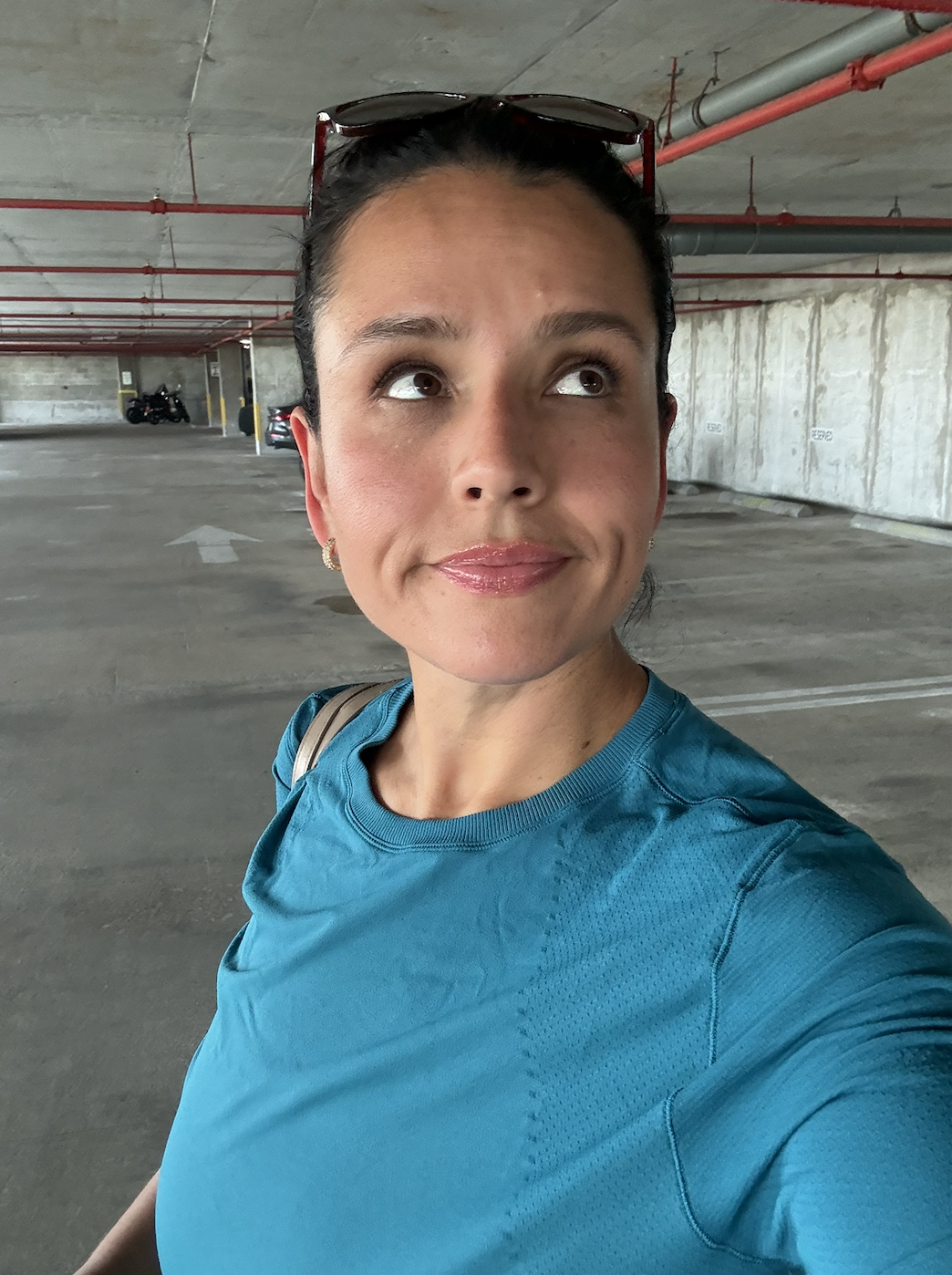
Somewhere along the way, I stopped measuring success by perfection and started measuring it by consistency. I learned that confidence isn't something you wait to feel, it's something you build through repeated action. More importantly, I proved to myself that I can do hard things, even when they're uncomfortable. That mental resilience carried over into every area of my life.
I've become a better leader because I'm more patient with the process. I'm more willing to take calculated risks. I have more energy, more confidence, and more empathy for what it feels like to be learning something new. Ironically, working on my physical strength strengthened my business. It changed the way I lead my team. It changed the way I coach my clients. It changed the culture of my company because I became a different person.
That's why I believe your business will never consistently outgrow your personal development. The growth doesn't always have to happen inside your business. Sometimes the most transformative thing you can do for your company is to challenge yourself somewhere completely unrelated. When you become a stronger, more resilient person, your business naturally benefits because it can only grow as much as you do.
3. They're Too Accomplished to Ask for Help
This one surprises people. Many high achievers have become so accustomed to being the expert that asking for help feels uncomfortable. They worry they should already know the answer. Or they don't want others to see the uncertainty behind the scenes. But here's what I've observed after years of consulting and coaching:
The most successful people I know ask for help more, not less.
They hire coaches.
They seek outside perspectives.
They surround themselves with people who challenge their thinking instead of simply validating it.
Not because they're incapable, but because they understand that blind spots exist for everyone. Sometimes all it takes is one conversation with someone outside your business to identify the bottleneck that's been slowing you down for months.

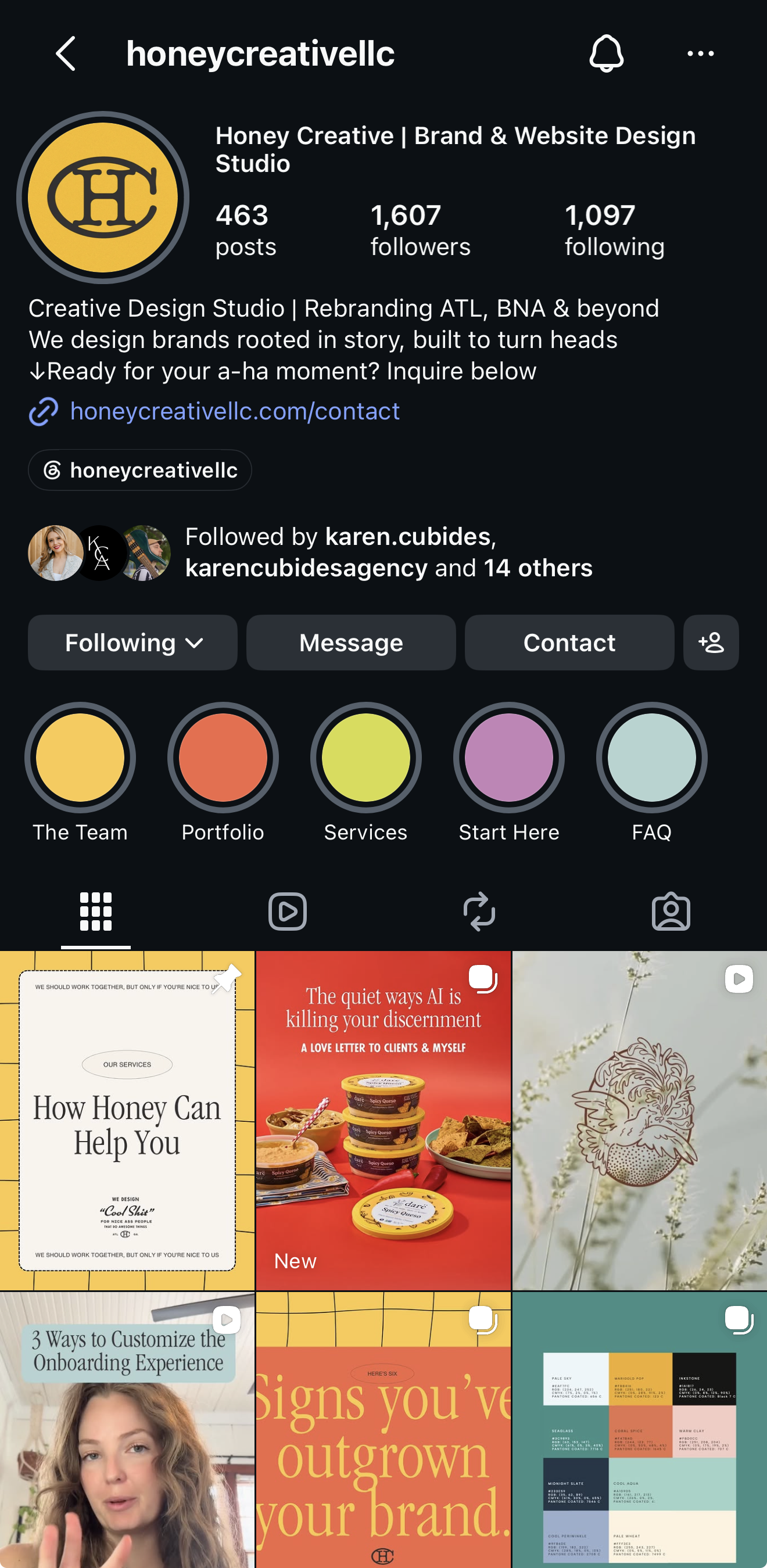
About six months ago, my good friend and collaborator Andi, the fearless leader behind Honey Creative, had an idea.
"Let's take a working vacation."
At first, it honestly felt like an excuse to spend time together. We both run businesses, and the idea was simple: rent an Airbnb in Miami, work from coffee shops during the day, tackle the projects we'd both been avoiding, and enjoy a change of scenery. As CEOs, there are just some tasks that are more enjoyable with a friend. Bookkeeping, the admin work, financial planning. The things that are important but rarely make anyone's "favorite part of entrepreneurship" list.
What I didn't realize was that the biggest thing we'd work on wasn't our businesses, it was ourselves. One afternoon, sitting in a coffee shop, I opened up to Andi about something I hadn't fully admitted out loud.
"I feel like I'm having an identity crisis."
After 13 years in business, I had built a successful agency, worked with incredible clients, and expanded my offerings successfully. But I was struggling to explain exactly what made my work different.
Instead of trying to solve the problem for me, Andi started asking questions.
"What do you actually do well?"
"What do you mean by that?"
"What would your clients say you do?"
Then she asked the question I had been avoiding.
"No... what do you really want to do?"
I remember laughing because I knew she wasn't going to let me give the polished answer. After sitting with it for a while, I finally said it.
"My superpower is helping people identify the bottlenecks in their careers and businesses. I create a space where they can think clearly, see what's actually holding them back, strategize together and move forward with confidence."
The moment I said it out loud, everything clicked.
That conversation became the foundation for what is now one of my favorite services: Career Strategy Sessions.
What's funny is that I already knew this about myself. My clients had been telling me for years.I just couldn't see it because I was too close to it. That's the irony of being an expert. The longer you've been doing something, the harder it becomes to recognize your own blind spots. You can solve incredibly complex problems for everyone else while completely overlooking the obvious answer in your own business.
Sometimes you don't need another course, another certification, or another strategy. You need someone who knows how to ask the right questions. That experience reinforced something I tell my own clients all the time: clarity is rarely created in isolation. It's created in conversation.
Whether it's a trusted friend, a coach, a consultant, or a mentor, inviting someone into your thinking isn't a sign that you've failed. It's often the fastest path to your next breakthrough. Looking back, that weekend didn't just help me organize my business. It helped me articulate my purpose. And that single conversation has shaped the direction of my company ever since.