
Three Things Lalovavi Taught Me About Representing Artists
This past week, I had the privilege of attending the world premiere of Lalovavi. Standing in the audience, watching years of work finally come to life, I couldn't help but think back to where this journey started.
Five years ago.
Five years of contracts, negotiations, emails, phone calls, revisions, life changes, pandemics, new jobs, babies being born, priorities shifting, and countless conversations behind the scenes.
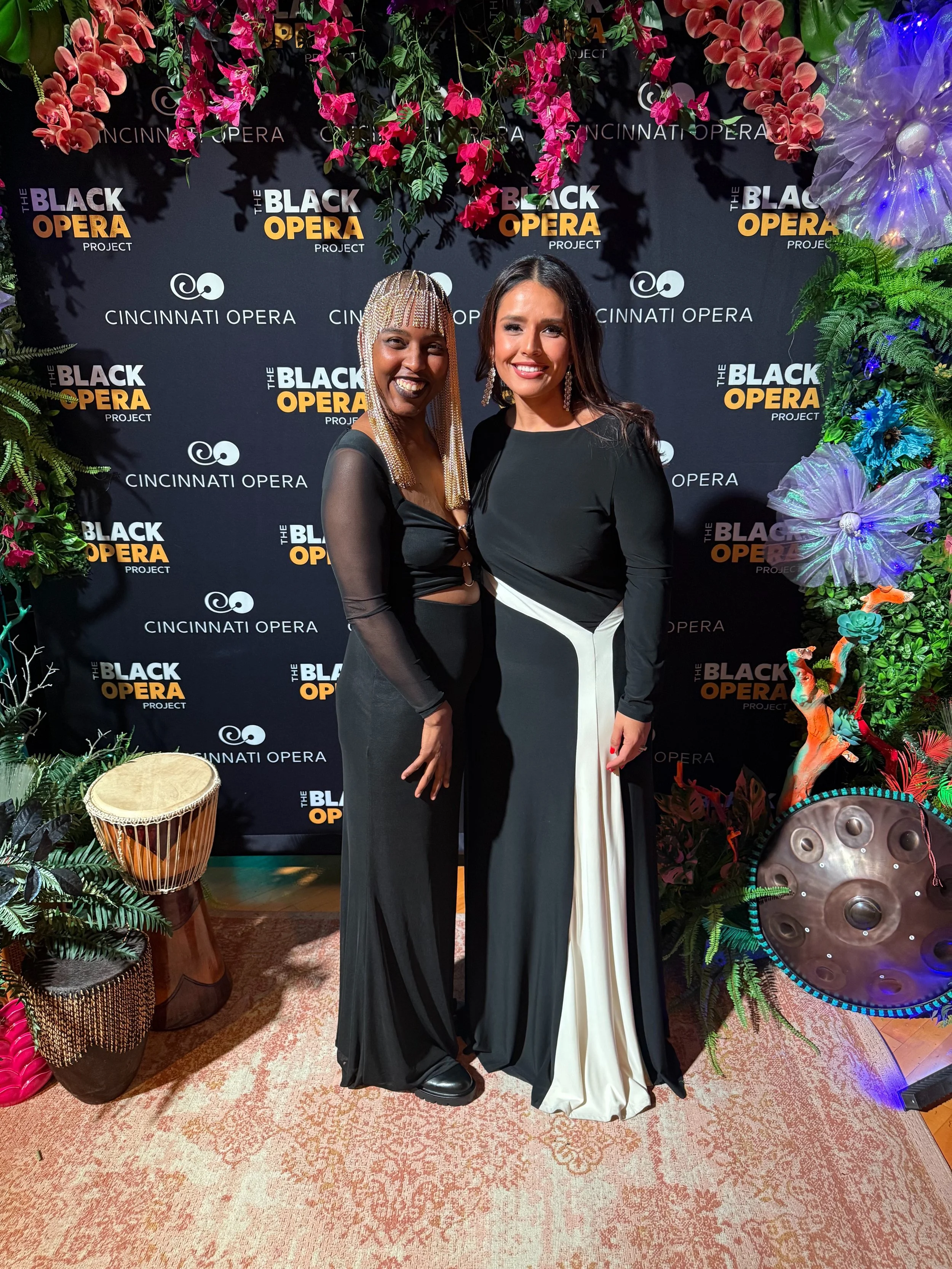
People often think an agent's work ends once the contract is signed. In reality, that's often just the beginning.
Representing artists on projects of this scale has taught me a great deal, but as I reflected on this premiere, three lessons stood out.

1. Honor Your Boundaries, Five Years Is a Long Time
One of the biggest surprises about long-term artistic projects is just how much life happens while you're waiting for opening night.
The person negotiating a contract isn't always the same person who walks into the premiere years later.
During the life of Lalovavi, my business evolved. I became a mother. My values shifted. My capacity changed. There were seasons when I had to say no to protect my family, my health, and my clients.
When you're supporting an artist over the course of several years, boundaries aren't a luxury—they're what make consistency possible.
I've learned that honoring your limits doesn't make you less committed. It allows you to show up well for the moments that matter most.
Sustainable careers aren't built by saying yes to everything. They're built by knowing what deserves your energy and protecting it.
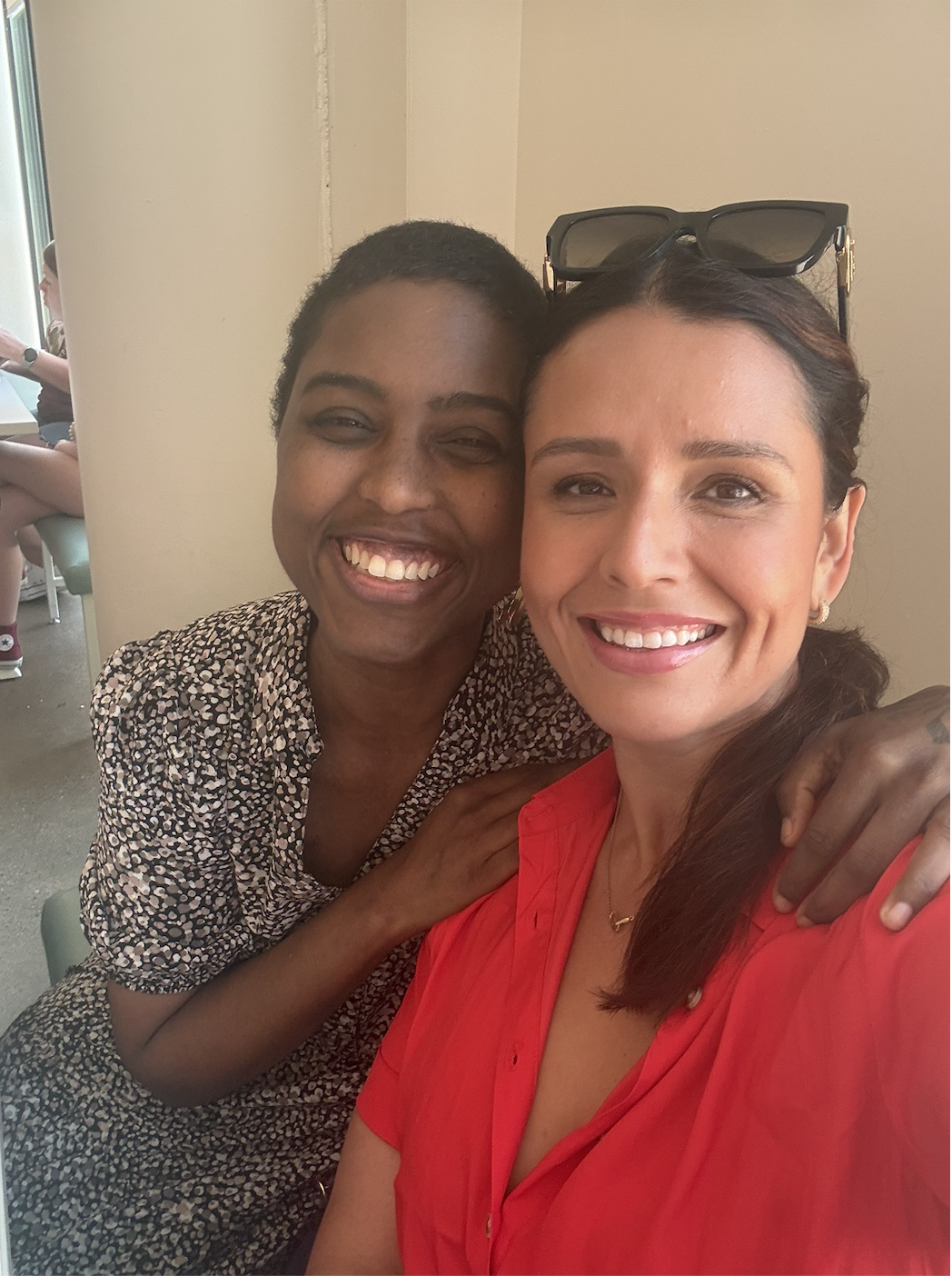
2. Be the Same Collaborator From Day One to Opening Night
Anyone can be enthusiastic at the beginning of a project.
The real test is who you become in year three...or year five.
Large artistic projects involve producers, composers, performers, administrators, stage managers, conductors, marketing teams, development staff, and countless other people working toward the same goal. Challenges are inevitable. Plans change. Delays happen. Expectations evolve.
Through all of it, your reputation is built less by the problems that arise and more by how you respond to them.
I've always believed that my role isn't simply to negotiate contracts. It's to be a thoughtful collaborator.
That means communicating clearly, advocating respectfully, solving problems without creating new ones, and remembering that everyone is trying to create something meaningful.
People remember how you make working together feel.
And those relationships often outlast any single project.
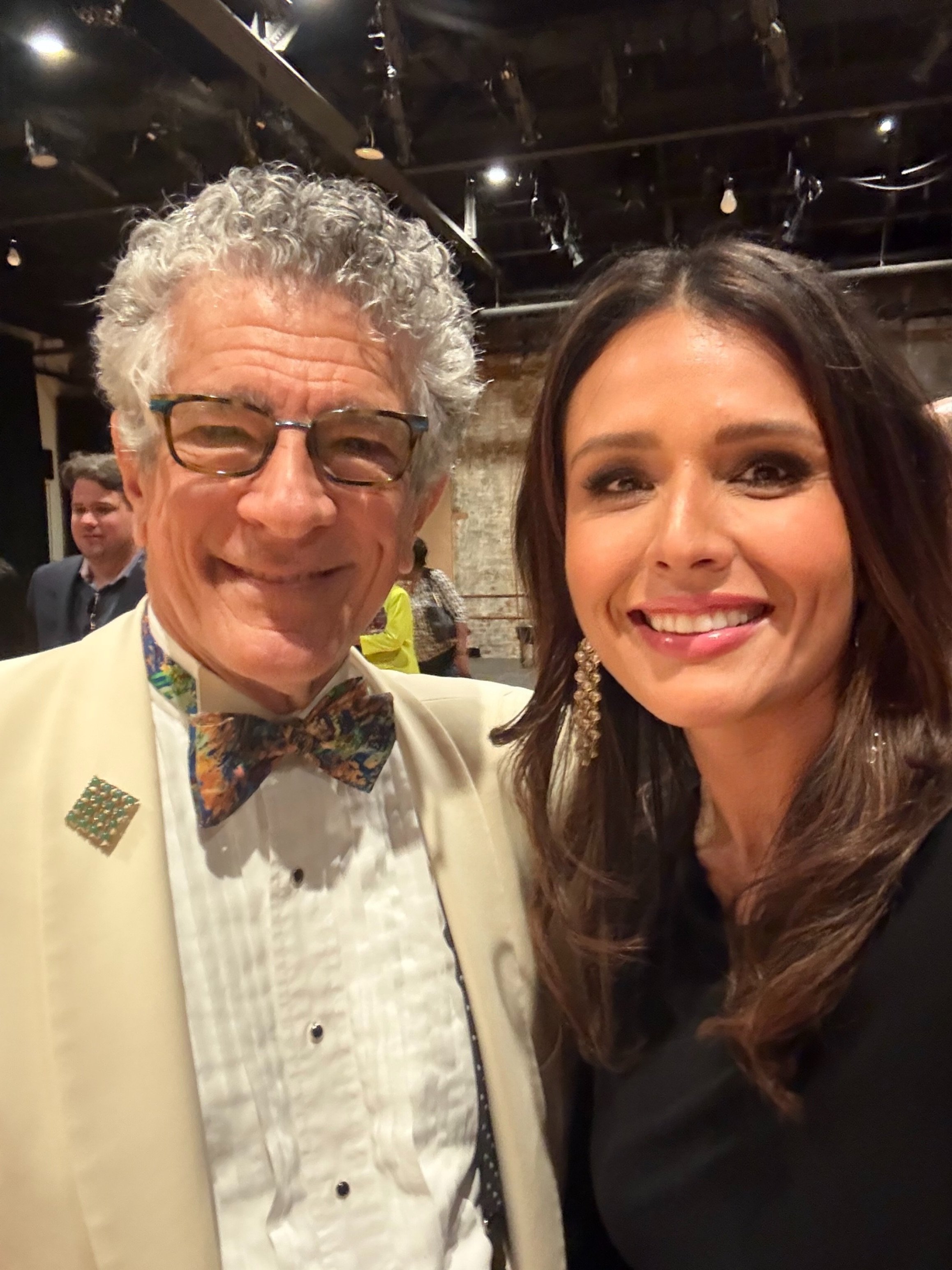
3. Humility Is Paramount
Premieres can feel glamorous from the outside.
But sitting in that theater reminded me of something I've believed for a long time: none of us gets here alone.
Behind one opera are hundreds of people whose names most audience members will never know. Administrators. Production staff. Stage crews. Fundraisers. Artistic leaders. Musicians. Families. Friends.
As agents, it's easy to believe we're responsible for making opportunities happen.
The truth is, we're one piece of a much larger ecosystem.
Humility keeps you curious.
It keeps you listening.
It reminds you that there's always something to learn from every person in the room, regardless of their title.
The longer I work in this field, the less interested I am in being the smartest person at the table and the more interested I am in helping the entire table succeed.
Walking out of the theater after Lalovavi, I felt immense gratitude. Gratitude for the artists who trusted me. Gratitude for the collaborators who made the work possible. Gratitude for the younger version of myself who negotiated this contract years ago, even though she couldn't possibly have known what life would look like by the time opening night arrived.
One of my favorite parts of this profession is that every project teaches me something new. This one reminded me that careers aren't built in singular moments of success. They're built over years through integrity, consistency, collaboration, and the quiet work that very few people ever see. And honestly, that's my favorite part of being an agent.